Pest Control Services for Basements, Attics, and Crawl Spaces
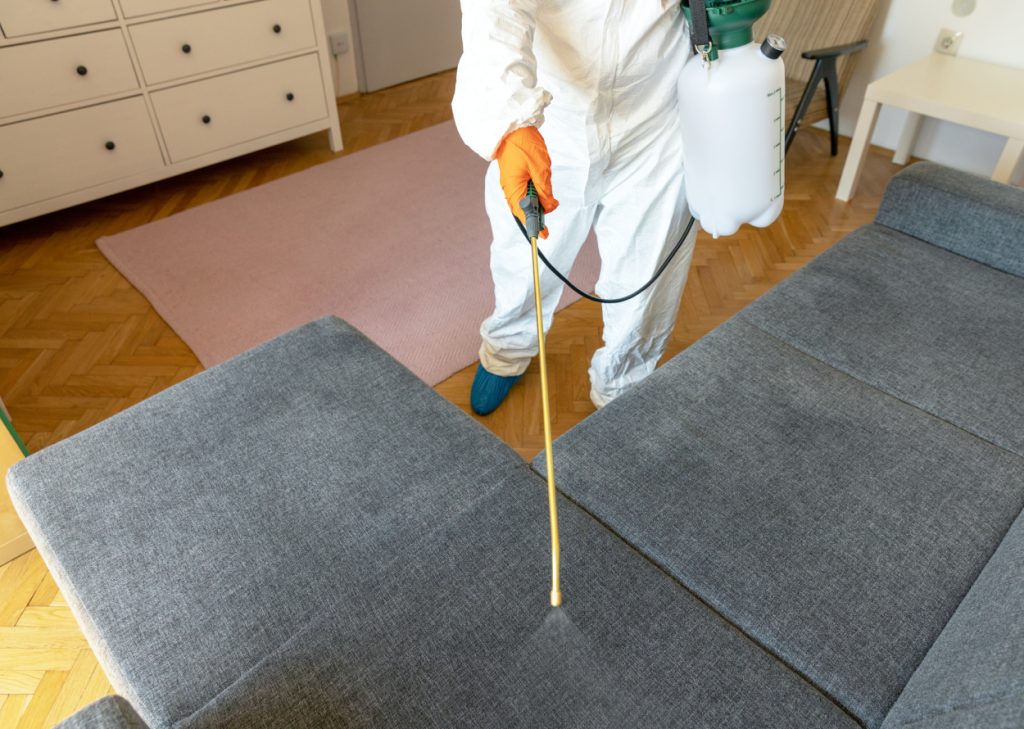
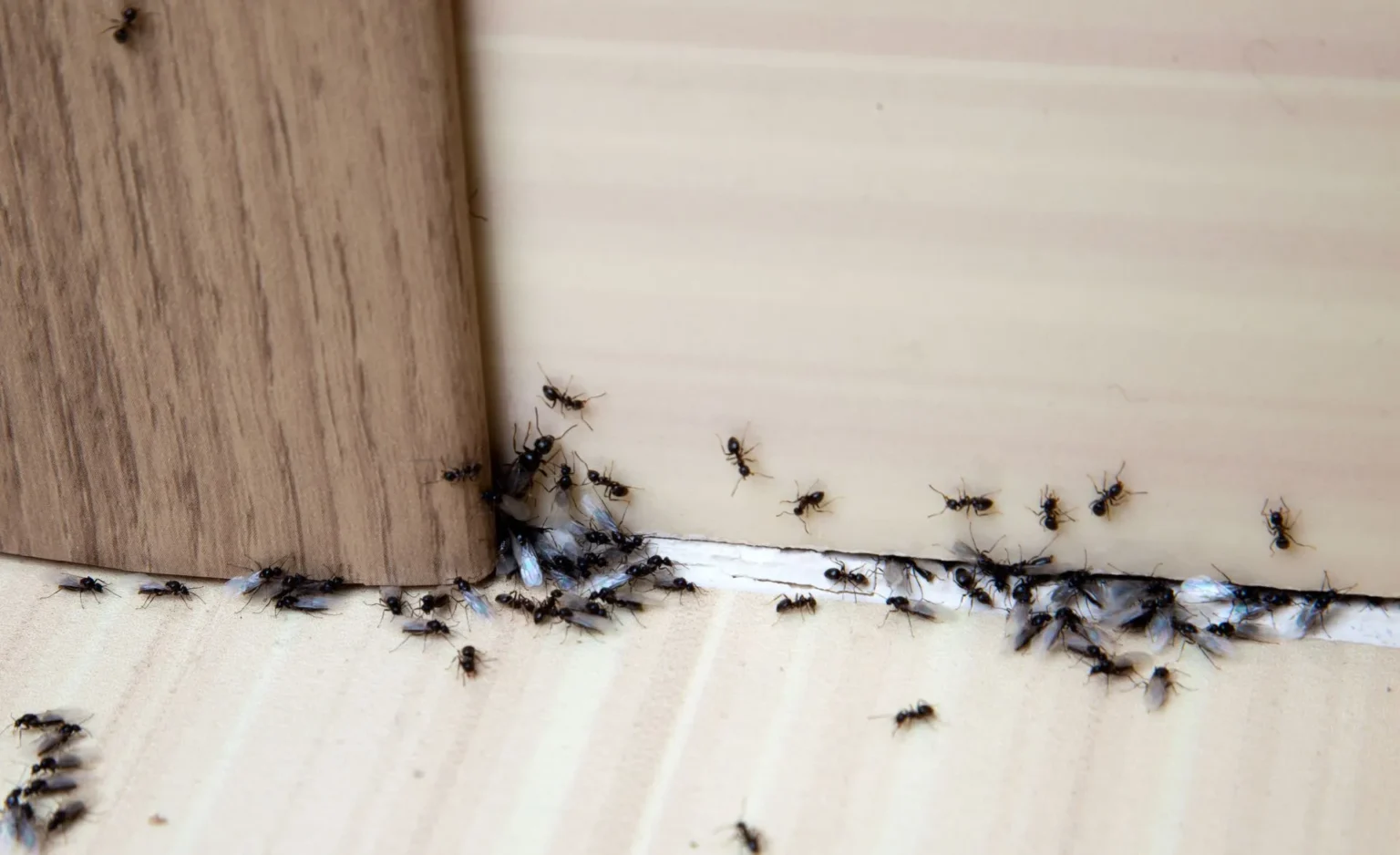
The rooms people use every day get the attention. The spaces above, below, and behind them usually do not. That is exactly why basements, attics, and crawl spaces become reliable shelter for pests. They are dark, quiet, temperature-stable for much of the year, and often full of the materials insects and rodents need to survive. Cardboard, insulation, wood framing, stored fabric, plumbing penetrations, and undisturbed nesting areas all work in a pest’s favor.
From a pest control standpoint, these hidden areas are rarely isolated problems. A mouse in the attic does not stay “just in the attic” for long. Carpenter ants in a damp crawl space often signal a moisture issue that extends into sill plates or floor framing. Roaches in a basement may be feeding on humidity, clutter, and a drain issue that also affects the rest of the house. Good Pest Control Services treat these spaces as part of the entire building envelope, not as separate compartments.
Homeowners often call after hearing scratching overhead, finding droppings near the water heater, or smelling a stale, musky odor coming through vents. By that point, the activity has usually been building for weeks or months. The real work is not simply placing traps or spraying a product. It is diagnosing why the area became attractive in the first place, choosing the safest and most effective treatment, and making the conditions less inviting when the job is done.
Why these spaces attract pests so easily
Basements, attics, and crawl spaces each have their own pattern of pest pressure, but they share the same core vulnerabilities. They tend to have limited foot traffic, irregular cleaning, and plenty of unnoticed entry points. A gap around a utility line that looks minor from inside can be a wide-open doorway to a mouse on the exterior. A torn crawl space vent screen can admit rodents, crickets, spiders, and moisture at the same time.
Basements often draw pests because they combine water sources with shelter. Sump pits, floor drains, condensation on pipes, and foundation seepage create a habitat for insects that need dampness. Spiders follow the insects. Rodents follow the access routes and food opportunities. Even a basement that looks dry at a glance may have elevated humidity near walls, behind stored boxes, or under stairs.
Attics attract a different set of problems. Heat can be intense during the day, but many species still choose attics because they are protected from predators and weather. Roof rats, mice, squirrels, bats in some regions, and overwintering insects all make use of attic voids. Insulation gives them nesting material, and recessed lights, bathroom fans, and duct penetrations create pathways into living areas. Once an animal gets established overhead, the damage adds up quickly. Chewed wiring, torn insulation, stained drywall, and contaminated air are common outcomes.
Crawl spaces tend to combine the worst features of both. They are hard to inspect, easy to ignore, and often affected by ground moisture. In older homes especially, crawl spaces may have exposed earth, poor drainage, failing vapor barriers, and wood elements close to the soil line. That environment invites termites, carpenter ants, silverfish, camel crickets, rodents, and a long list of occasional invaders.
A homeowner might assume these are “normal” spaces for some level of pest activity. A few spiders, maybe. The trouble is that low-visibility areas turn minor activity into entrenched infestations. By the time there is clear evidence upstairs, the population below or above has often expanded.
Basements: the pressure point below the main floor
Basements are where many pest issues first become visible because they are the transition zone between the soil and the occupied part of the home. Foundation https://beauvpci803.cavandoragh.org/signs-you-need-professional-pest-control-services-right-away cracks, sill plate gaps, basement windows, and utility penetrations all create access. Add laundry areas, storage clutter, and seasonal humidity, and the space starts working against the homeowner.
Rodents are common basement invaders. Mice only need a very small opening to get inside, and they tend to move along edges, behind appliances, and beside stored items. Fresh droppings near the furnace, gnaw marks on cardboard, and greasy rub marks along walls are strong indicators. In unfinished basements, nesting often starts in insulation, old furniture, paper goods, or stacked fabric.
Cockroaches also favor basement conditions, particularly in homes with moisture around drains, leaking pipes, or floor-wall joints. Not every basement roach sighting means a major infestation, but repeated sightings deserve a close inspection. Roaches exploit voids around plumbing, behind paneling, and beneath stored materials. If there is a boiler room, utility closet, or sump area, that is often where the investigation begins.
Then there are the pests people expect to see, but should not ignore. Silverfish, cellar spiders, centipedes, and occasional invaders like pill bugs and earwigs usually point back to moisture. They may not be the most destructive pests, but they tell a story about the environment. In practice, a basement full of “just bugs” often turns out to have a drainage issue, poor ventilation, or hidden seepage that deserves attention.
One of the most overlooked basement risk factors is storage style. Boxes placed directly against exterior walls trap air, hold dust, and create protected runways for pests. Plastic bins with tight lids are better than cardboard, but even organized storage can conceal activity if inspections are infrequent. The point is not to make the basement sterile. It is to make it inspectable.
Attics: quiet shelter with expensive consequences
Attics create a different kind of urgency. Pests in attics can remain hidden longer, but the damage tends to be more expensive and more disruptive. Rodents in attic insulation leave droppings and urine that spread through the material. Squirrels can enlarge entry holes at rooflines and chew through fascia or soffits. Wasps build nests near vents and eaves. In some regions, cluster flies, stink bugs, and lady beetles use attic voids as seasonal refuge.
The sound of movement overhead is one of the clearest prompts for a service call, but not every noise points to the same pest. Light, quick scratching at night often suggests mice or rats. Heavier daytime movement, especially around dawn or dusk, may suggest squirrels. A fluttering sound can indicate birds or bats, depending on local conditions and building features. Proper identification matters because the treatment method, legal considerations, and exclusion strategy differ.
Attic pest work also requires restraint. This is not an area for blanket product use. Insulation can absorb and conceal treatments, and many infestations are solved more effectively through trapping, removal, sanitation, and exclusion than through broad chemical application. A good technician spends as much time at the roof edge and exterior elevation as inside the attic. The entry point is often a lifted shingle edge, a gable vent gap, a construction seam, or a poorly screened vent cap.
There is another issue many homeowners miss: an attic infestation can affect indoor air quality more than expected. Air movement within a house is not sealed neatly floor by floor. Warm air rises, duct leakage happens, and insulation disturbance spreads contaminants. If rodents have occupied the attic for months, cleanup and insulation replacement may be part of the conversation. That is not upselling when it is justified. It is dealing honestly with contamination.
Crawl spaces: where pest control meets moisture control
Crawl spaces are some of the most challenging environments in structural pest management. Access may be limited to a small hatch, visibility may be poor, and conditions can change dramatically with the season. A crawl space that looks manageable in late summer may be wet and mold-prone in spring. Pest activity follows those shifts.
Subterranean termites are among the biggest concerns in crawl spaces because they move from the soil into wood with very little visible evidence from above. Mud tubes on piers, foundation walls, or joists are classic signs, but early activity can be subtle. Carpenter ants may also establish in damp or decaying wood, especially if there has been a plumbing leak or chronic ground moisture. Unlike termites, carpenter ants do not eat wood, but they excavate it for nesting and can cause serious structural deterioration over time.
Rodents use crawl spaces as protected highways. They may nest there directly or simply move through on the way to wall voids and kitchens. Duct insulation, floor insulation, vapor barriers, and debris all provide cover. If the crawl space connects to an attached garage or utility chase, the route into living areas becomes even easier.
Crawl spaces also produce the most obvious trade-off in pest control. Treatment alone will not hold if the moisture problem remains. A wet crawl space with poor drainage invites repeat infestations no matter how carefully the initial service is performed. In those cases, effective Pest Control Services often work alongside recommendations for drainage correction, vapor barrier replacement, ventilation changes, or encapsulation.
What a thorough inspection should include
A serious inspection of these hidden spaces goes beyond a flashlight pass and a glance at corners. The goal is to identify not just the pest, but the conditions supporting the pest and the routes it uses to enter and spread.
A competent inspection usually covers the following:
- Active evidence such as droppings, gnawing, nesting, insect casings, wings, frass, odor, and movement patterns.
- Entry points around vents, pipes, wiring, roof intersections, foundation gaps, doors, and screens.
- Moisture sources including leaks, condensation, seepage, standing water, poor grading, and damaged vapor barriers.
- Structural vulnerabilities such as wood-to-soil contact, decayed framing, missing screens, compromised insulation, and clutter that conceals activity.
- The likely relationship between the hidden space and the occupied areas of the home.
That kind of inspection changes the conversation. Instead of “you have mice,” the homeowner hears “mice are entering at the utility penetration behind the basement steps, nesting near the rim joist insulation, and moving upward through the wall chase beside the furnace flue.” That level of detail matters because it directs the correction.
Treatment methods that actually fit the space
There is no single treatment that works equally well in basements, attics, and crawl spaces. The method should match the pest, the severity, the household conditions, and the construction of the home.
For rodents, the backbone of service is usually exclusion plus targeted trapping. Sealing access points without addressing the animals already inside can leave dead rodents in inaccessible voids, so timing and sequencing matter. In attics, trap placement should account for travel paths along framing and near entry areas. In basements, traps are often set along perimeter routes and behind stored items where mice naturally move. In crawl spaces, placement has to account for safety, serviceability, and moisture exposure.
For crawling insects, the treatment may involve crack-and-crevice applications, dusts in protected voids, baiting where appropriate, and environmental correction. Roaches in a basement utility area, for instance, respond far better to a focused program of sanitation, moisture reduction, and targeted baiting than to broad over-application of liquid product. Ant work depends heavily on species. Carpenter ants in damp framing require both nest elimination and correction of the moisture source that made the wood suitable.
For termites, the approach depends on the construction and the infestation pattern. Soil treatments, baiting systems, and direct wood treatments all have roles. What matters is proper diagnosis. A crawl space with active tubes on multiple supports is a different situation from an isolated moisture-related find in one section. That is why termite work should never be reduced to generic promises.
For stinging insects in attics or eaves, nest location and access are everything. The wrong approach can drive insects into living areas or leave a secondary problem when a large nest remains in place. There is also a seasonal component. Late summer yellowjacket calls can be very different from early spring paper wasp prevention.
Exclusion is where long-term control is won
Treatment gets the attention, but exclusion is what changes outcomes over time. If pests can re-enter freely, the service becomes an endless cycle of temporary relief. Sealing and screening are often less dramatic than traps or products, but they are the reason one home stabilizes while another keeps calling back.
The details matter. Steel wool alone is not a permanent seal. Expanding foam by itself is not rodent-proof. A vent screen must be the right mesh and installed securely. A roofline gap needs durable repair, not a cosmetic patch. In crawl spaces, damaged access doors and loose skirting can undo otherwise solid treatment work.
Homeowners are sometimes surprised by how small the critical repair can be. A quarter-inch gap under a side utility door, a loose screen at a crawl vent, or a separation around a conduit can support recurring problems for months. On the other hand, there are cases where the visible opening is not the real issue. A house may show mice in the basement, but the main entry may be at the garage-to-house connection or at the upper roofline where branch contact gives access to squirrels that later attract secondary pests. Good judgment comes from tracing movement, not guessing.
Sanitation and cleanup are not optional extras
This is especially true after rodents or long-running insect infestations. Traps and treatments address the active population, but the debris left behind can keep attracting activity and create health concerns. Droppings in attic insulation, nesting material near HVAC equipment, insect debris in basement storage voids, and contaminated vapor barriers in crawl spaces all deserve attention.
Cleanup needs to be handled thoughtfully. Disturbing contaminated insulation or droppings without proper precautions can spread particles into the air. In some cases, spot cleanup is enough. In heavier infestations, partial or full insulation removal may be justified. There is no benefit in pretending every attic needs a full restoration, just as there is no benefit in downplaying obvious contamination to keep the estimate small. The right scope depends on what is actually present.
A practical service plan usually separates control from remediation. First stop the infestation and secure the access points. Then remove the contamination and repair the damaged materials. Reversing that order often wastes money.
When seasonal patterns change the plan
Pest control in hidden spaces is heavily seasonal, and service expectations should reflect that. In colder months, rodents press indoors more aggressively, and attics become important harborage. In wet periods, crawl spaces and basements see more moisture-related insect activity. During high heat, some pests move deeper into wall voids or lower levels seeking stable conditions.
That means a home can seem fine for part of the year and still have a predictable hidden-space issue. A basement may stay quiet all winter, then show a surge in spring when groundwater rises. An attic may be calm in midsummer, then become active in autumn when temperatures drop and animals seek overwintering sites. Experienced providers plan around those rhythms. They inspect entry points before peak pressure, not only after activity is obvious.
For homeowners, timing matters too. Waiting until there are heavy droppings, torn insulation, or a strong odor usually means the job will be larger and more expensive. A light scratching sound, a single mud tube, or a few fresh insect sightings in a crawl access area are easier to address than a full established population.
Choosing a provider for difficult-access pest work
Not every company handles basements, attics, and crawl spaces with the same level of skill. Hidden-space work is uncomfortable, time-consuming, and detail-sensitive. It requires more than a quick perimeter spray and a standard service ticket.
When evaluating Pest Control Services for these areas, it helps to look for a provider who can explain the problem in plain language, show evidence from the inspection, and distinguish clearly between active treatment, exclusion, and repair recommendations. If the proposal sounds vague, it usually is. “We’ll treat the attic” is not a plan. “We found fresh rodent droppings along the north truss line, activity near the gable vent, and a gap at the roof return that needs exclusion after trapping” is a plan.
It is also worth paying attention to what the company does not promise. Anyone guaranteeing that no pest will ever appear again in a basement or crawl space is overselling. Buildings move, weather changes, and hidden areas age. What a strong provider can offer is a defensible process: identify, control, exclude, monitor, and correct the conditions that support reinfestation.
Small changes that reduce future problems
A full professional service call is often necessary, but there are a few maintenance habits that make a measurable difference between visits:
- Keep stored items off the floor and a few inches away from basement and crawl space walls where possible.
- Fix plumbing leaks and condensation issues quickly, especially near utility areas and under bathrooms.
- Replace damaged vent screens and seal obvious utility gaps with durable materials suited to the opening.
- Trim tree limbs away from the roofline and keep exterior debris from accumulating against the foundation.
- Check hidden spaces seasonally for fresh droppings, insect debris, moisture staining, or disturbed insulation.
These are not glamorous tasks, but they reduce the number of surprises. They also make inspections faster and more accurate because evidence is easier to see.
The value of dealing with the whole environment
The most effective work in basements, attics, and crawl spaces comes from seeing pests as symptoms as much as intruders. Rodents reveal openings. Roaches reveal moisture and harborage. Carpenter ants reveal damp wood. Termites reveal a structural relationship with soil and water. If a service call ends with pests removed but those conditions unchanged, the problem is only half solved.
That is why hidden-space pest control is often where the best technicians separate themselves. It is not only about product knowledge. It is about reading buildings, understanding seasonal pressure, respecting safety, and making practical recommendations that a homeowner can actually use. Some jobs call for a precise exclusion repair and a few traps. Others call for drainage correction, vapor barrier work, sanitation, insulation replacement, and follow-up monitoring. Experience shows up in knowing the difference.
A basement, attic, or crawl space does not have to be spotless to be manageable. It does need to be inspectable, dry where it should be dry, sealed where it should be sealed, and free of the conditions that let small pest problems become large ones. When those hidden parts of a home are brought under control, the rest of the structure becomes easier to protect. That is the real point of professional Pest Control Services in these spaces: not just removing what is there today, but making the home less hospitable to what might arrive next week.
Affordable Pest Solutions LLC
Phone number: +19732299547
FAQ About Pest Control Services
How much does pest control charge?
For a standard 1,500-square-foot home, professional pest control charges generally average $100 to $300 for an initial visit, with ongoing monthly services running $40 to $75 per visit and one-time emergency exterminations costing $100 to $600, depending heavily on the specific pest and the severity of the infestation.
What is the hardest pest to get rid of?
Bed bugs are widely considered the hardest household pest to get rid of, closely followed by German cockroaches and subterranean termites.
What is included in a pest control service?
A standard pest control service includes a property inspection, targeted treatments, and prevention advice. It typically covers common pests like ants, spiders, and cockroaches, using sprays, baits, or traps.